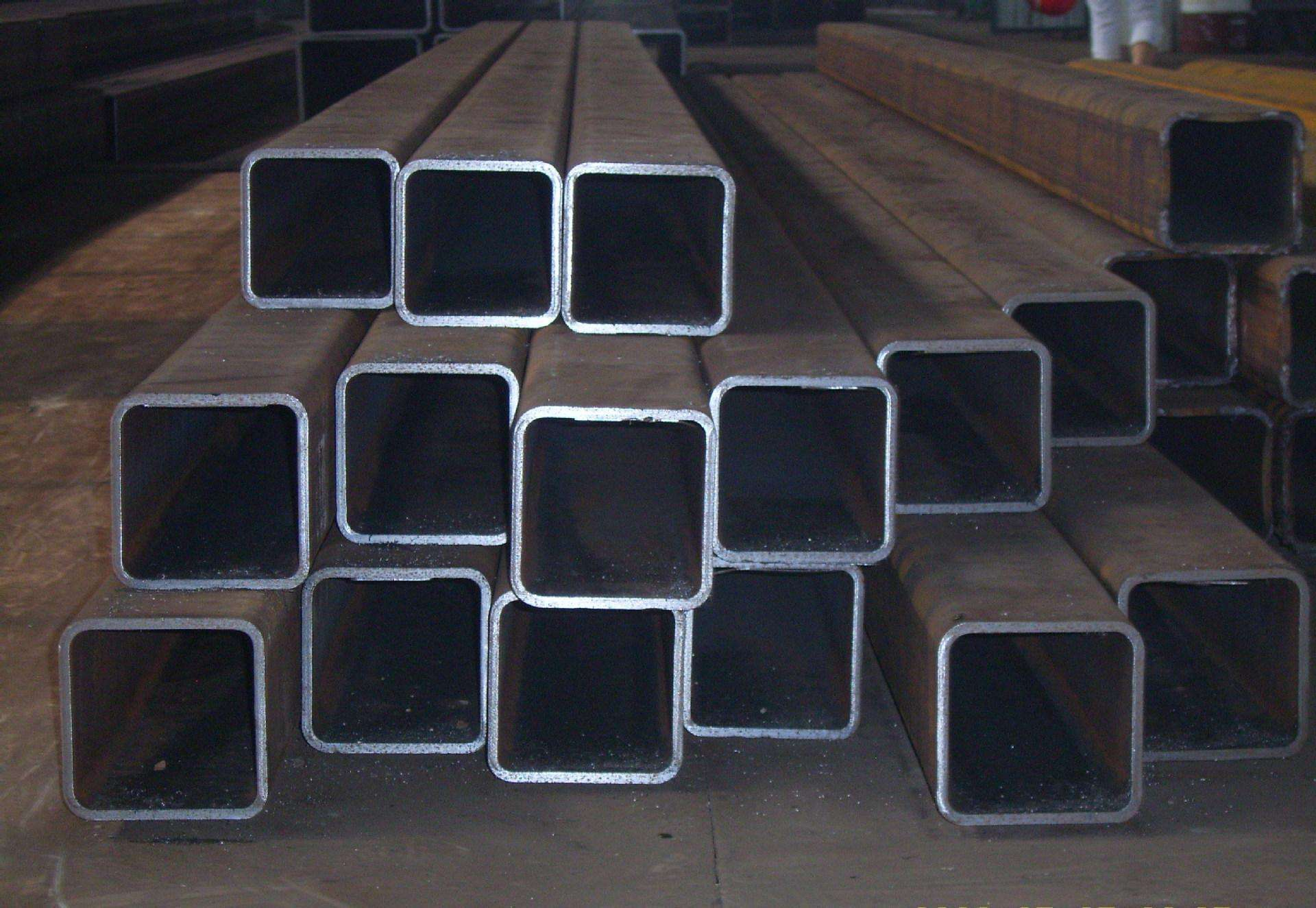
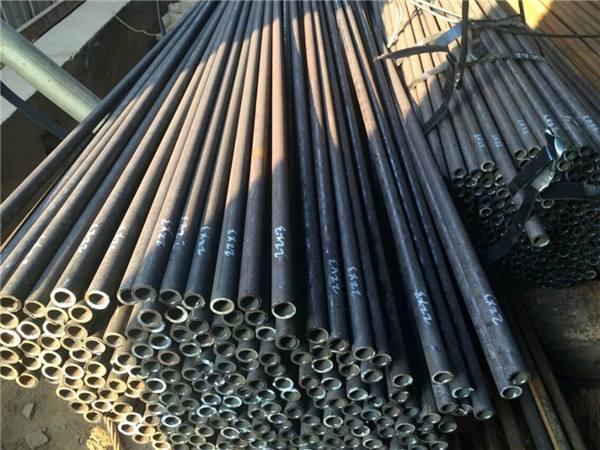
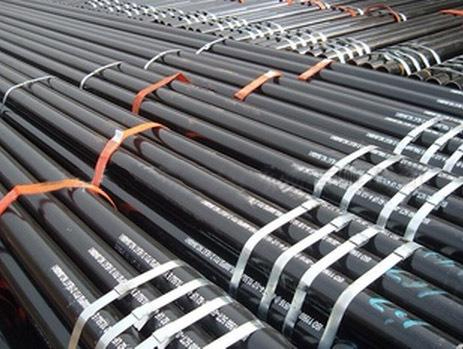
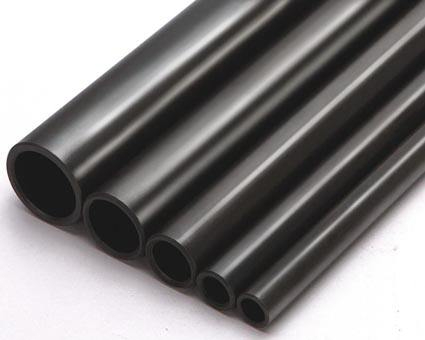
中國考登鋼管(guǎn)製造業已經處(chù)在一個過度投(tóu)資的狀態,其中存(cún)在著(zhe)大量的低效率和無效率投資。舉個例子,比如說無縫管行業,市場容量一年大(dà)概6億噸左右,但(dàn)是產能已經到了9億噸(dūn),現(xiàn)在三分之一的(de)鋼鐵(tiě)產能過剩。今年一季度16Mn考登鋼管產品是全(quán)行業虧損,原因在於過度競爭。而且現在的問(wèn)題不光(guāng)出在(zài)傳統產業(yè),像新能源領域,比如說太陽能、比如說風電,都已經出現了大量的產能過剩。就連一些新興的高(gāo)科(kē)技產業領域也都出現了(le)同樣的(de)現象。
China's Kauden steel pipe manufacturing industry has been in a state of over-investment, in which there are a large number of inefficient and inefficient investment. For example, in the seamless pipe industry, the market capacity is about 600 million tons a year, but the production capacity has reached 900 million tons, and now one third of the steel production capacity is excessive. In the first quarter of this year, 16Mn Corden Steel Tube products lost money in the whole industry due to excessive competition. And now the problem is not only in traditional industries, such as new energy, such as solar energy, such as wind power, but also in excess capacity. Even some new high-tech industries have the same phenomenon.
另外,我國今年的GDP增速在急劇下降,一季度大概是8.1%。接下來看,由於出(chū)口(kǒu)放慢,由於投(tóu)資方麵已經造成了大量的投資過剩、投資空間在逐漸(jiàn)收(shōu)窄,再加上控製房價對房(fáng)地產業的影響,所(suǒ)以整個投資形勢也不樂觀。在(zài)這樣的條件下,我國的經濟結構(gòu)是過度依賴投資和出口,而現在出口上不(bú)去,投資(zī)也上不去(qù),就必然(rán)對經(jīng)濟增長提出一個嚴重的挑戰。
In addition, China's GDP growth rate is declining sharply this year, about 8.1% in the first quarter. Next, the overall investment situation is not optimistic because of the slowdown in exports, the excess investment caused by investment, the narrowing of investment space, and the impact of controlling house prices on the real estate industry. Under such conditions, China's economic structure is excessively dependent on investment and exports, and now exports can not go up, investment can not go up, it is bound to pose a serious challenge to economic growth.
中國製造業麵臨(lín)的一(yī)個迫切的(de)任務就是調整結構。改善我們現在的結構,把過高(gāo)的儲蓄率、過高的投資(zī)率,轉變到一個消費適度的可持續的增長方向(xiàng)上來,至少是(shì)消費需要和GDP同步增長這(zhè)樣(yàng)一個軌道上來。否則的話,未來經濟下降是可以(yǐ)預期的。結構調整可能涉及到一係列問題,並不簡單是一個刺激消費的(de)問題。背後主要是收(shōu)入分配狀況的問題,同時涉及到現行的財政體製、稅(shuì)收體製、金(jīn)融體製等一係列體製方麵的問(wèn)題。
An urgent task facing China's manufacturing industry is to adjust its structure. To improve our present structure, we should transform the excessive savings rate and investment rate into a moderately sustainable growth direction of consumption, at least on the track of simultaneous growth of consumption demand and GDP. Otherwise, the future economic decline can be expected. Structural adjustment may involve a series of problems, not simply a problem of stimulating consumption. Behind it is mainly the problem of income distribution, and at the same time, it involves a series of institutional problems such as the current financial system, tax system, financial system and so on.